 11
11Living with anxious dogs can feel confusing at first, especially when their behavior suddenly changes without an obvious reason. Some dogs become restless, others withdraw, and a few may develop habits like excessive barking or chewing. Recognizing what is happening beneath the surface helps you respond in a calm and supportive way.
Dogs experience anxiety for different reasons, and it often builds over time rather than appearing overnight. Understanding the triggers is the first step toward helping anxious dogs feel safe again.
Common causes include:
Anxious dogs rarely stay quiet about their discomfort. They communicate through behavior, and once you learn to read those signs, things start to make more sense.
Look out for:
These signs are not just habits, they are signals. The sooner you notice them, the easier it becomes to guide your dog back to comfort.
Helping anxious dogs does not always require complex solutions. Small consistent actions can bring noticeable improvement.
Dogs feel secure when they know what comes next. Feeding, walking, and sleeping at the same time each day creates a sense of stability.
A tired dog is often a calmer dog. Regular walks, playtime, and light training sessions reduce built up tension.
Give your dog a quiet corner or bed where they can relax without disturbance. This becomes their personal retreat during stressful moments.
Stay calm when your dog feels anxious. Your tone and body language influence how they react. Avoid shouting or punishment, as it can make anxiety worse.
Many dog owners prefer natural methods to ease anxiety, especially when dealing with sensitive pets.
Some helpful options include:
Consistency matters more than anything. One solution used occasionally will not be as effective as a steady routine.
There is an interesting link between physical discomfort and emotional stress. Dogs dealing with itching or allergies may develop anxious behaviors because they cannot relax properly.
You might notice:
Addressing both the physical and emotional sides together often leads to better results. When the body feels better, the mind follows.
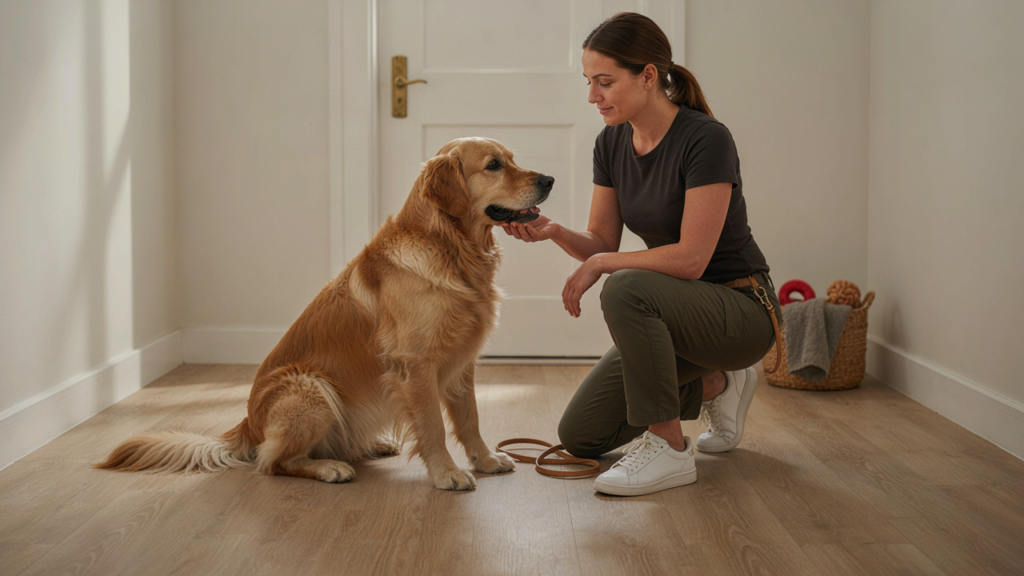
Training plays a key role in helping anxious dogs feel more confident. It is not about control, it is about communication.
Reward calm behavior with treats, praise, or affection. This encourages your dog to repeat those actions.
If your dog fears certain situations, introduce them slowly. For example, if they fear being alone, start with a few minutes and increase the time step by step.
Punishment can increase fear and confusion. Focus on guiding rather than correcting.
Puzzle toys, scent games, and simple commands keep the mind engaged and reduce anxiety levels.
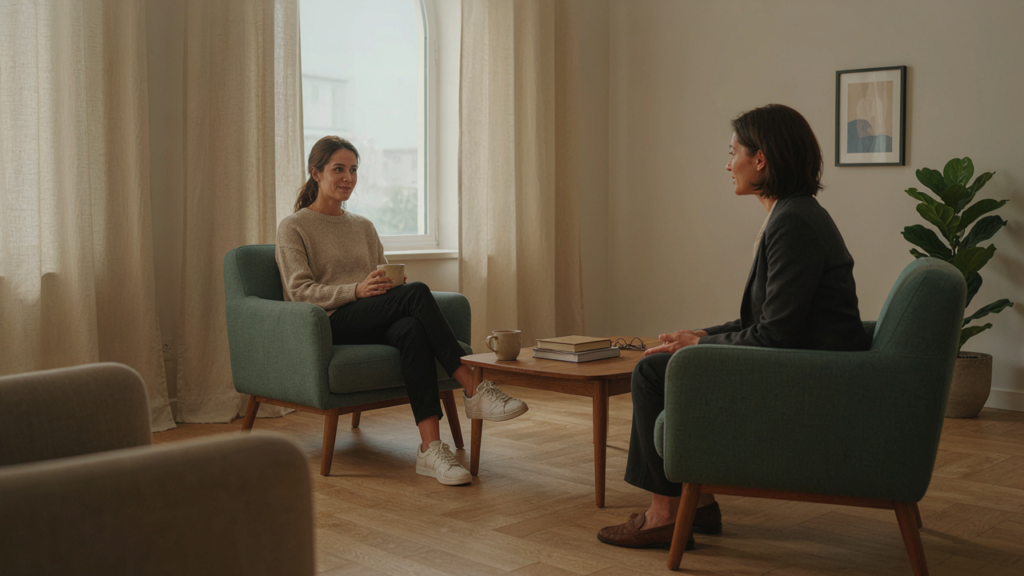
Sometimes, anxiety goes beyond what you can manage at home. If your dog shows severe symptoms like aggression, continuous distress, or self harming behaviors, it may be time to consult a professional.
A veterinarian or experienced trainer can help identify deeper issues and suggest tailored solutions.
Helping anxious dogs is not about one big fix. It is about many small thoughtful actions repeated every day.
Over time, these efforts build trust and comfort.
You start to notice little shifts, a calmer walk, a quieter evening, a dog that chooses to rest instead of pacing. Those small moments tell you something important is changing, even if it happens quietly in the background.