 11
11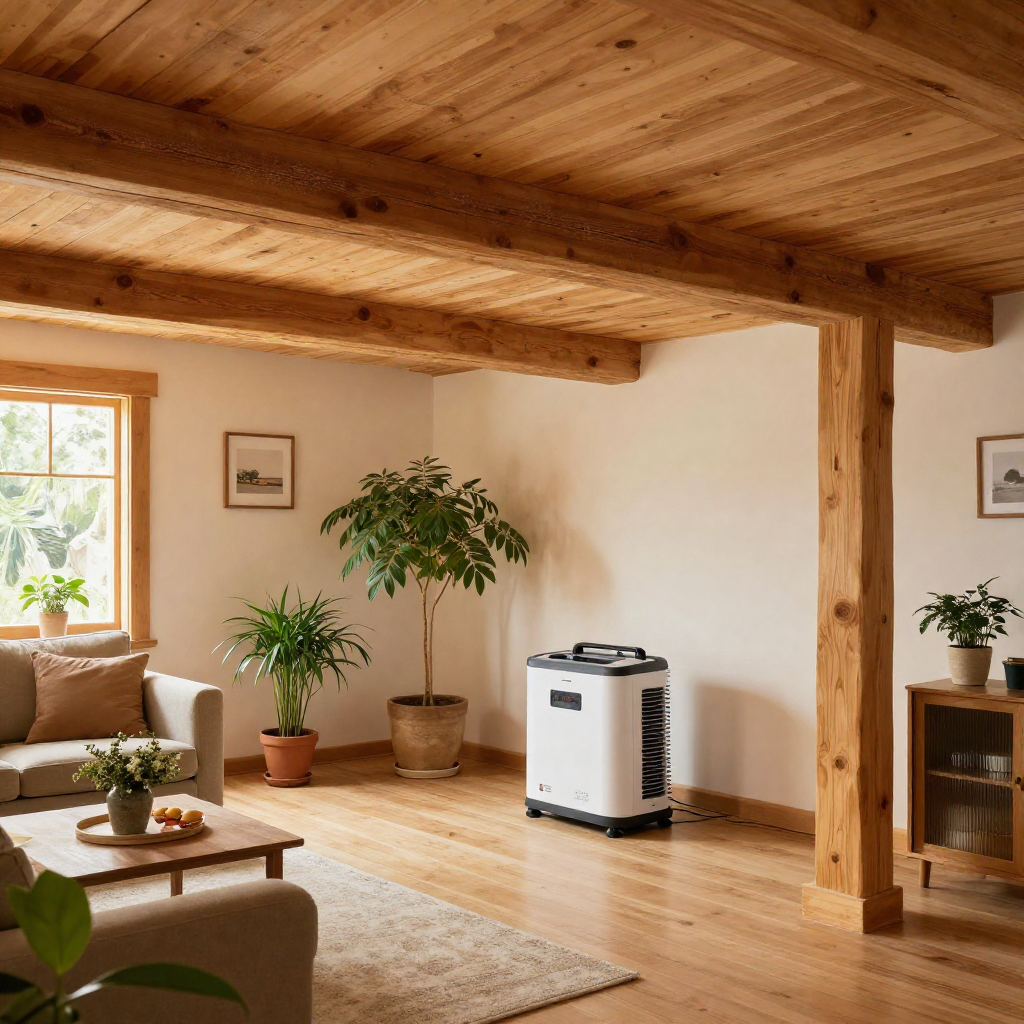
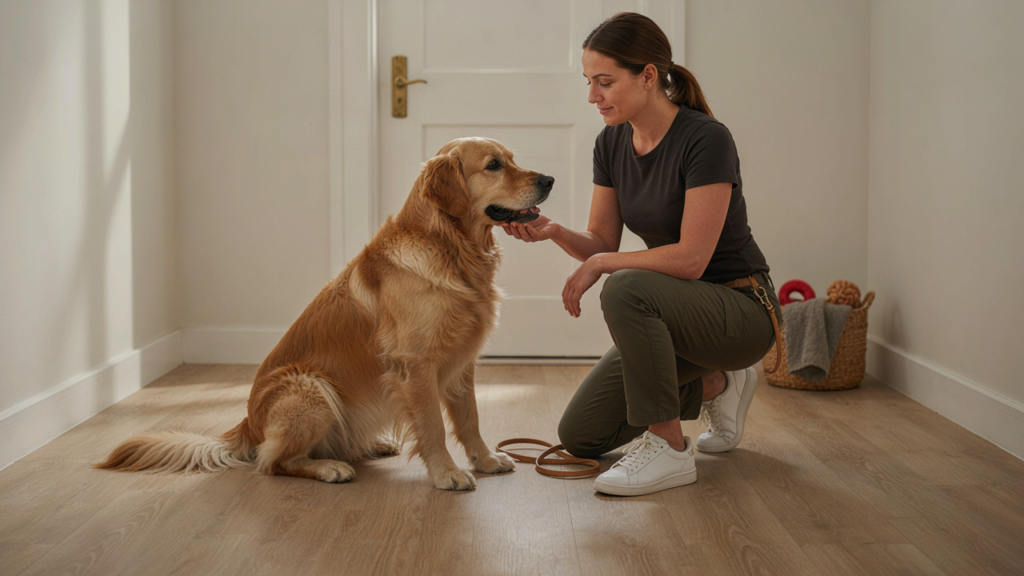
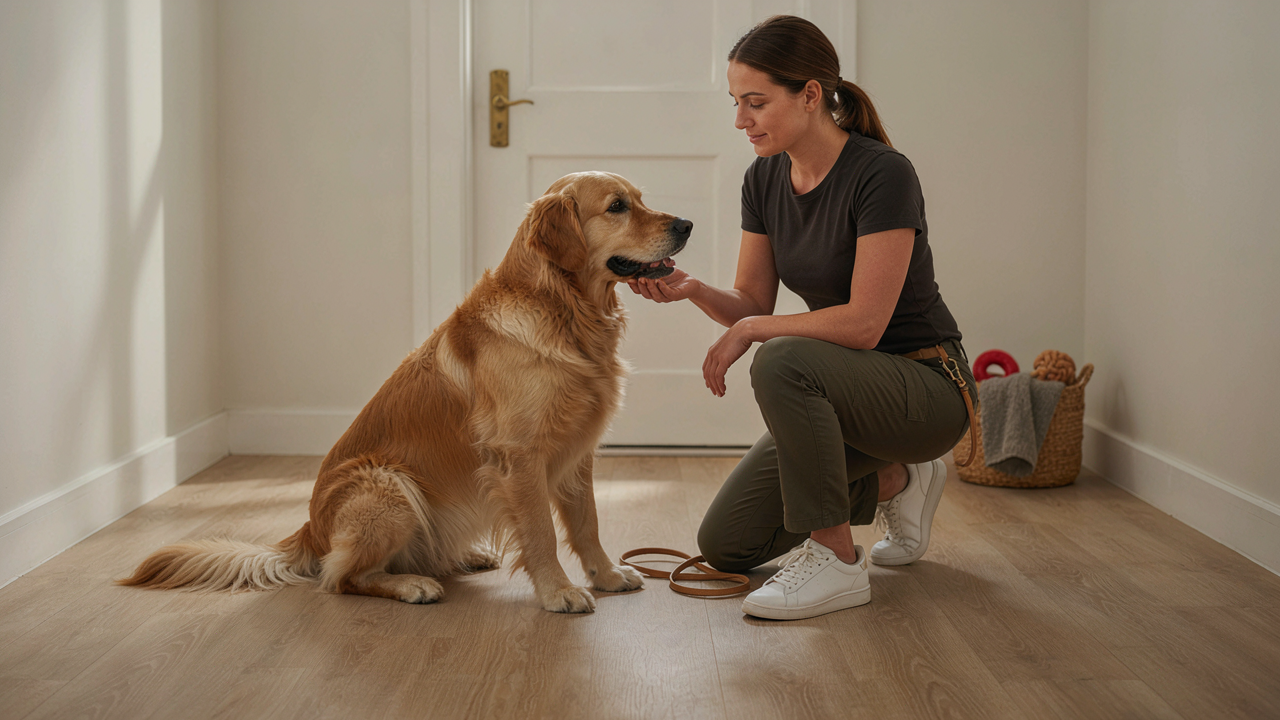
Pets are part of the family, which means their safety matters just as much as protecting your home from pests. Whether you have dogs, cats, birds, rabbits, or other animals, dealing with insects or rodents becomes more complicated when harmful chemicals may affect your pet’s health. Many traditional pest control products contain ingredients that can irritate sensitive animals or create risks if accidentally touched, inhaled, or consumed.
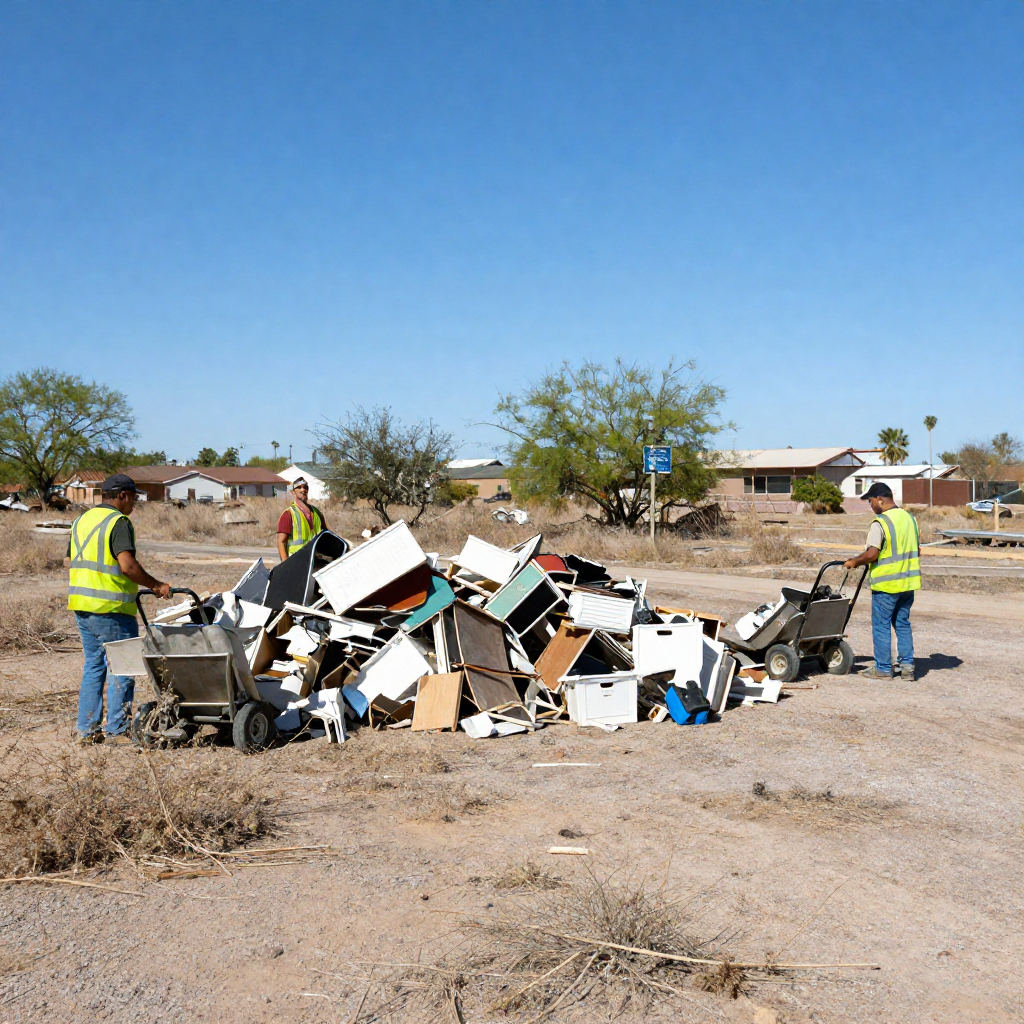
At the same time, pests such as woodworm, termites, ants, fleas, rodents, cockroaches, and mites can still damage homes and create unhealthy living conditions. The challenge for homeowners is finding a pest control approach that works effectively without putting pets at unnecessary risk.
The good news is that many pest problems can now be managed using safer methods, preventive maintenance, and targeted treatments that minimize exposure to harsh chemicals.
Many homeowners researching family-friendly home care through shashel.eu/ increasingly prefer safer pest solutions because they protect both property and pets.
In this guide, we will explain how to remove pests safely in homes with pets and which methods are often considered the safest.
Pets are naturally curious.
Dogs and cats especially may:
Because of this:
Traditional pesticides may sometimes create risks
Safer treatment choices help reduce unnecessary exposure.
The safest pest control strategy is preventing infestation before treatment becomes necessary.
Healthy homes naturally attract fewer pests.
Prevention reduces the need for stronger treatments later.
Many pests thrive in damp environments.
Watch for:
Dry homes naturally discourage pests.
Moisture control reduces infestation risk.
Many homeowners exploring safer pest prevention through shashel.eu understand that fixing moisture problems often reduces pests without needing strong chemicals.
Not all pest control methods involve harsh chemicals.
These methods often reduce unnecessary chemical exposure.
Balanced pest control improves safety.
Microwave technology is becoming more popular for timber pest problems.
Microwave energy heats moisture inside wood and insects.
This destroys:
Microwave treatment:
This often makes it more comfortable for homes with pets.
It works especially well for:
Heat treatment is another growing solution.
Controlled heat eliminates pests naturally.
Advantages include:
Heat treatment may work well for:
Safer methods continue growing in popularity.
Mechanical pest control often helps reduce risk.
Always place traps:
Safe placement matters.
Many homeowners accidentally overapply pesticides.
Pets may contact:
Improper use may increase exposure risk.
Professional advice often improves safety.
Good airflow helps improve indoor conditions.
Fresh air may help reduce:
Open airflow in:
Healthy airflow benefits both people and pets.
During pest treatment:
Preventing contamination reduces unnecessary risk.
Simple precautions make a difference.
Wood pests often remain hidden.
Early detection reduces the need for larger treatments later.
Routine inspection protects the home naturally.
Some homeowners prefer gentle prevention.
Healthy environments discourage pests.
Small maintenance habits matter.
Rodents may often be managed through prevention.
Reducing access often reduces rodent activity.
Prevention works best.
Severe infestations sometimes require expert treatment.
Many professionals offer:
Pet safety should always be discussed.
Overuse increases exposure risk.
Dampness encourages pests.
Food and water should stay protected.
Small infestations grow larger over time.
Balanced action matters.
Safer pest control provides many advantages.
Healthy homes support healthy pets.
Prevention saves money.
Safe pest removal for homes with pets is possible with the right approach. By focusing on prevention, moisture control, pet-safe treatment methods, heat treatment, microwave technology, and careful product use, homeowners can effectively manage pests while reducing unnecessary risks to animals.
Keeping pets safe during pest control means choosing smarter, more targeted solutions rather than relying only on harsh chemicals.
Many homeowners researching family-friendly pest protection through shashel.eu understand that effective pest control should protect both the home and the pets living inside it.