 11
11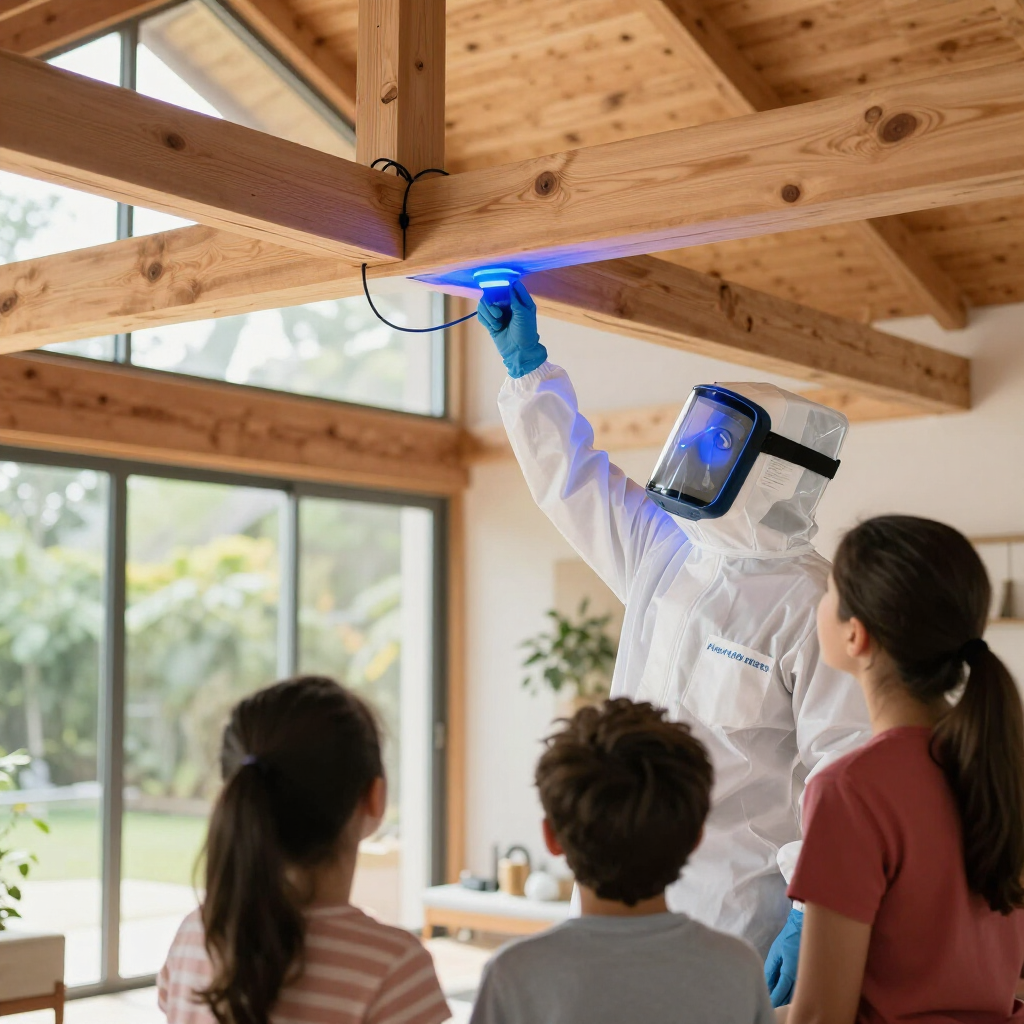
Chemical fumigation has been used for decades to control a wide range of pests, including termites, stored-product insects, and other infestations that can affect homes, commercial buildings, and agricultural facilities. When carried out by licensed professionals using approved products and according to local regulations, fumigation can be an effective pest management solution.
However, many homeowners are becoming increasingly interested in chemical-free alternatives, particularly for localized woodworm infestations. Concerns about indoor air quality, pesticide exposure, and environmental sustainability have encouraged property owners to explore treatment methods that rely less on chemical applications.
In this article, we’ll examine the long-term health considerations associated with chemical fumigation, explain why professional safety procedures are essential, and compare fumigation with modern heat-based technologies such as microwave woodworm treatment.
Chemical fumigation is a pest control process that uses gaseous pesticides (fumigants) to eliminate insects and other pests within enclosed spaces.
Unlike surface sprays, fumigants disperse throughout the treatment area, allowing them to reach pests hidden in difficult-to-access locations.
Fumigation may be used in:
Because fumigants are highly specialized pesticides, their use is typically restricted to trained and licensed professionals.
Professional fumigation follows strict regulations designed to protect occupants, workers, and the surrounding environment.
These procedures commonly include:
Following these procedures is essential because fumigants are intended to be toxic to pests and must be handled carefully.
Approved fumigants undergo regulatory evaluation before they are authorized for professional use.
When applied correctly and buildings are reoccupied only after meeting safety requirements, exposure risks are significantly reduced.
Even so, some homeowners choose to minimize pesticide use where practical for reasons such as:
Choosing a chemical-free approach is often based on reducing overall pesticide use rather than evidence that professionally performed fumigation necessarily creates long-term health problems.
Modern homeowners increasingly value solutions that:
For localized woodworm infestations, microwave treatment has become one of the leading non-chemical options.
Microwave woodworm treatment eliminates insects using controlled heat rather than pesticides.
Professional equipment directs microwave energy into infested timber, where naturally occurring water molecules generate heat through dielectric heating.
When the timber reaches approximately 55–60°C (131–140°F) for an appropriate period, the heat is intended to eliminate:
Because no pesticides are applied, the treatment leaves no chemical residue on the timber.
| Feature | Microwave Treatment | Chemical Fumigation |
|---|---|---|
| Uses Chemical Pesticides | No | Yes |
| Uses Heat | Yes | No |
| Leaves Chemical Residues on Timber | No | Depends on the fumigant and application |
| Suitable for Localized Woodworm Treatment | Excellent | Usually not the first choice |
| Environmental Impact | Lower | Depends on the product used |
| Requires Occupant Evacuation | Treatment area managed by professionals | Typically yes |
Each method has different applications, and neither is universally better. The appropriate choice depends on the pest, property, and treatment objectives.
Many homeowners appreciate microwave treatment because it offers:
The treatment relies entirely on controlled heat.
No insecticidal coatings remain on treated timber.
Only affected timber is treated.
Reduced reliance on synthetic pesticides supports sustainable property maintenance.
Microwave treatment is often considered for:
where preserving original timber is especially important.
Despite growing interest in chemical-free technologies, fumigation continues to play an important role in professional pest management.
It may be appropriate when:
Treatment selection should always be based on the specific pest and the characteristics of the property.
Regardless of the treatment method chosen, prevention remains the best long-term strategy.
Protect timber by:
Healthy, dry timber is less attractive to wood-boring beetles.
Fact: Approved fumigation products are regulated and must be applied by trained professionals following strict safety procedures. Proper ventilation and clearance before re-entry are essential parts of the process.
Fact: Microwave treatment is highly effective for many localized woodworm infestations, but fumigation may still be appropriate for certain pests and large-scale treatment situations.
Fact: Regardless of the treatment method, ongoing maintenance, moisture control, and regular inspections remain essential for long-term protection.
Professional advice is recommended if:
A qualified timber preservation or pest management specialist can inspect your property and recommend the treatment method that best fits the infestation, building construction, and long-term maintenance goals.
Chemical fumigation remains an important and effective tool for controlling certain pest infestations when performed by licensed professionals under strict safety regulations. At the same time, growing interest in indoor environmental quality and sustainable property maintenance has led many homeowners to consider chemical-free alternatives where appropriate.
For localized woodworm infestations, microwave woodworm treatment offers a modern approach that eliminates insects using controlled heat instead of pesticides. By understanding the strengths and limitations of each method and seeking professional guidance, property owners can choose the treatment that best meets their needs while protecting both their timber and their indoor environment.Visit online https://www.shashel.eu for more details .